
The evolution of casinos tracing their historical roots and impact
The evolution of casinos tracing their historical roots and impact
The Origins of Gambling
The practice of gambling can be traced back to ancient civilizations where games of chance and skill were woven into the fabric of society. Archaeological findings suggest that as early as 3000 BCE, Chinese and Mesopotamian cultures engaged in forms of gambling, often using rudimentary dice made from animal bones. These early games provided not only entertainment but also a means of social interaction, showcasing human instincts toward risk-taking and competition at venues like Casino Joy.
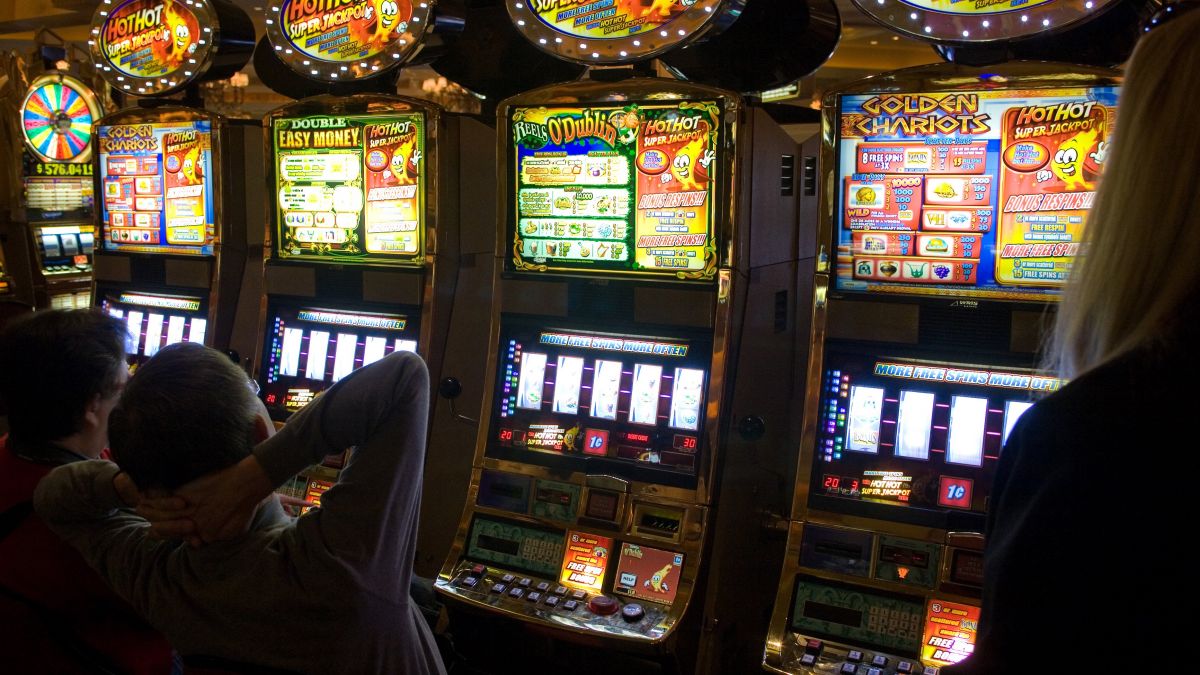
In ancient Rome, gambling was widely popular among the masses, with citizens participating in betting on gladiatorial contests and chariot races. The Romans even established laws regulating gambling, underscoring its significance in public life. These early gambling activities laid the groundwork for the more structured gaming environments that would evolve into modern casinos, indicating that the allure of risk and reward has persisted throughout human history.
The introduction of cards in the 9th century in China marked a significant evolution in gambling. This innovation spread to Europe through trade routes and contributed to the development of games like poker and blackjack. As societies evolved, so too did the methods of gaming, transitioning from informal gatherings to more organized establishments where the rules of play became standardized.
The Birth of Modern Casinos
The first official casino, the Casino di Venezia, opened its doors in Italy in 1638, establishing a template for future gaming houses. This venue was initially designed for entertainment rather than gambling, but it quickly became synonymous with games of chance. The concept of a casino began to take shape, integrating luxurious environments that offered more than just gaming, such as fine dining and social mingling.
As the 18th century progressed, gambling houses began to emerge in France, with places like the Palais Royal becoming hotspots for the elite. The introduction of roulette and baccarat further popularized these establishments, paving the way for the growth of gambling as a fashionable pastime. The opulent settings of these early casinos attracted not only local patrons but also international visitors, contributing to the rise of gambling tourism.
The 19th century marked a turning point with the establishment of casinos in various parts of the world, notably Monte Carlo, which became a symbol of luxury and extravagance. The financial success of these venues inspired other regions to explore the potential economic benefits of legalized gambling. This era also witnessed the birth of new gaming regulations that sought to balance entertainment with responsible gambling practices.
The Impact of Casinos on Society
Casinos have had a profound impact on the economy and culture of many regions. By providing employment opportunities, casinos contribute significantly to local economies, often becoming major sources of tax revenue for governments. In areas like Las Vegas and Atlantic City, the proliferation of casinos has transformed these cities into thriving entertainment hubs, attracting millions of tourists each year and fostering economic growth.
However, the societal impact of casinos is not solely positive. Concerns regarding gambling addiction and its associated social problems have prompted ongoing debates about the morality of gambling establishments. Community leaders and lawmakers face the challenge of balancing economic benefits with the potential for harm, emphasizing the need for responsible gaming practices and support systems for individuals struggling with gambling-related issues.
Moreover, the cultural portrayal of casinos in media and entertainment has shaped public perception, often glamorizing the lifestyle associated with gambling. Films, television shows, and literature frequently depict casinos as exciting venues of risk and reward, further embedding the idea of gambling as a thrilling adventure in popular culture. This representation can attract new players while simultaneously highlighting the need for awareness about the risks involved.
The Evolution of Online Gambling
With the advent of the internet in the late 20th century, the landscape of gambling transformed dramatically. Online casinos emerged as a new frontier, allowing players to access their favorite games from the comfort of their homes. The convenience and accessibility of online gambling appealed to a wide audience, democratizing the experience and leading to a surge in participation.
Online platforms have adopted various innovations, including live dealer games that mimic the casino experience, interactive slot games, and mobile applications, ensuring that players can enjoy gaming on the go. This evolution has expanded the audience for gambling, attracting younger demographics who are more comfortable with technology and digital transactions. The rise of online casinos has also led to increased competition among operators, resulting in better promotions and a broader selection of games.
Despite its growth, online gambling is not without challenges. Regulatory issues and concerns regarding player safety remain pertinent, with many jurisdictions struggling to create a balanced framework that protects players while fostering a vibrant industry. Furthermore, the rise of online gambling has revived discussions around addiction, pushing operators to implement responsible gaming measures to safeguard their players.
The Future of Casinos
As we look to the future, the casino industry is poised for further evolution. Innovations in technology, such as virtual reality and blockchain, are set to redefine the gaming experience. Virtual reality casinos could offer immersive environments that replicate the excitement of physical venues, while blockchain technology could enhance transparency and fairness in gaming practices.
Additionally, the growing acceptance of mobile gaming and social casinos will continue to shape the landscape. As more players turn to their devices for entertainment, the industry must adapt to meet the demands of a changing market. Collaboration with tech companies and developers will be crucial to creating engaging and secure gaming experiences that cater to the evolving preferences of players.
Moreover, the push for responsible gaming will remain a priority as the industry seeks to address the social implications of gambling. Stakeholders will need to work together to foster a culture of accountability and support, ensuring that the excitement of gaming does not come at the cost of individual well-being. The future of casinos hinges on their ability to innovate while maintaining a commitment to player safety and satisfaction.

Casino Joy: A Modern Gaming Experience
Casino Joy stands as a testament to the evolution of gambling, providing players with a vibrant online platform that reflects the rich history of casinos. Offering over 1,300 games, including captivating slots and immersive live dealer experiences, Casino Joy caters to a diverse audience looking for thrilling entertainment. The site is designed for seamless navigation, ensuring that players have an enjoyable experience whether they are using desktop or mobile devices.
The generous welcome package at Casino Joy, featuring bonuses up to £6,000 and 200 free spins, exemplifies the commitment to enhancing player experiences. These incentives are tailored to attract new players while rewarding loyalty among existing ones. With fast GBP withdrawals and a robust customer support system, Casino Joy prioritizes player satisfaction, positioning itself as a top choice for gamers in the UK.
As the online gaming landscape continues to evolve, Casino Joy remains at the forefront, embracing technological advancements and player-centric features. This commitment to innovation ensures that players can enjoy a comprehensive gaming experience, rooted in the storied history of casinos while looking toward a dynamic future filled with possibilities.